Tracing Vietnamese cinnamon to Athens.
A small bottle of cinnamon on a grocery store shelf is the end of a 9,000-mile chain that passes through farmers, middlemen, state enterprises, shipping companies, and importers. Most of it is invisible to the person who buys it.
The question
A commodity chain analysis traces a single product from its origin to its point of consumption. The goal is to make visible the people, places, labor, and capital that shape a product along the way, things that consumers rarely see.
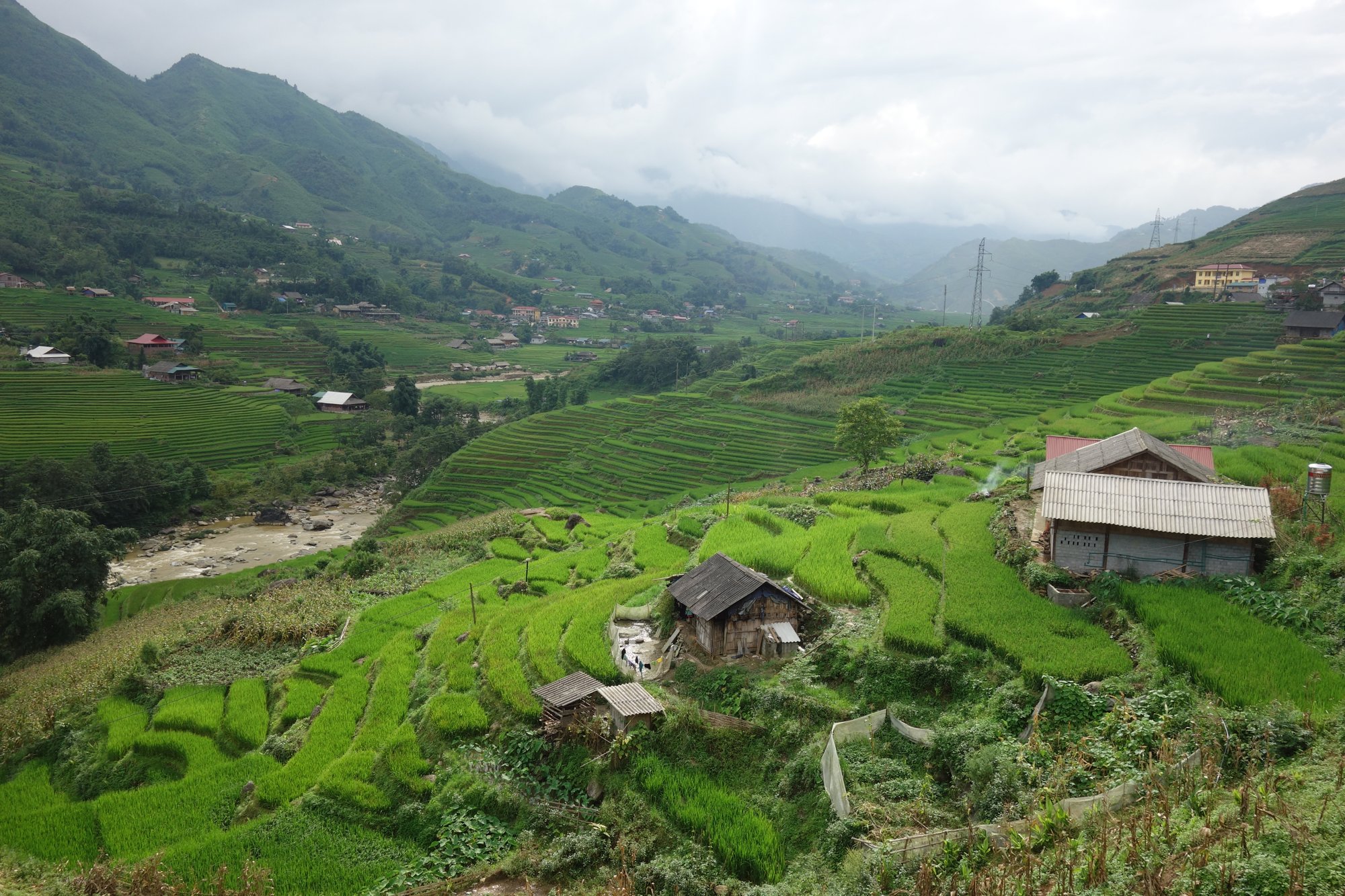
I chose Badia-brand cinnamon because it was on my shelf, and because Vietnam has become one of the largest cinnamon exporters in the world despite being almost absent from the way Americans talk about the spice. The spice most people picture as "Saigon cinnamon" is grown in the mountains of Northern Vietnam, in Yên Bái Province, by ethnic minority farmers working smallholdings.
Method
The project combined:
- Direct contact with Badia Spices, confirming the origin of their cinnamon as Yên Bái Province
- Review of Vietnamese agricultural export data and commodity statistics
- Secondary literature on cinnamon production, trade, and processing
- A Google My Maps visualization plotting key nodes along the chain: farm, collection center, processing facility, port, importer, distributor, retailer
The phone call to Badia was short but important. Most published material treats ingredient origins as vague ("Asia," "Southeast Asia"). Getting a specific province changes the analysis entirely and grounds the whole project in a real place with real people.
What the chain looks like
The product moves through roughly seven distinct stages between a hillside in Yên Bái and a grocery aisle in Georgia. At each stage, ownership changes, margins get extracted, and the connection between grower and eater stretches thinner. Farmers in Yên Bái receive a small fraction of the eventual retail price. Most of the value gets captured in processing, shipping, importing, and retail.
This pattern is not unique to cinnamon. It is the logic of most of the global food system. Tracing one commodity in detail makes the general pattern concrete.
What I learned
Commodity chain analysis is less about the individual product and more about the political economy it reveals. Who benefits, who does the work, who absorbs the risk, and who decides what the final product looks like are questions that apply whether you are tracing cinnamon, coffee, palm oil, or cobalt.
Having traveled in Northern Vietnam, including time in the region where this cinnamon is grown, gave me a small but real grounding in the place the commodity comes from. A chain analysis reads differently when you have seen the hillsides.